26 Dec 2025
Post by Elijah
Introduction
Water inside your iPhone camera can lead to various problems, from blurred images to complete dysfunction. Quick action is crucial to address this issue and prevent extensive damage. This guide not only helps you to remove water effectively but also offers strategies for future prevention.
Understanding the Impact of Water on iPhone Cameras
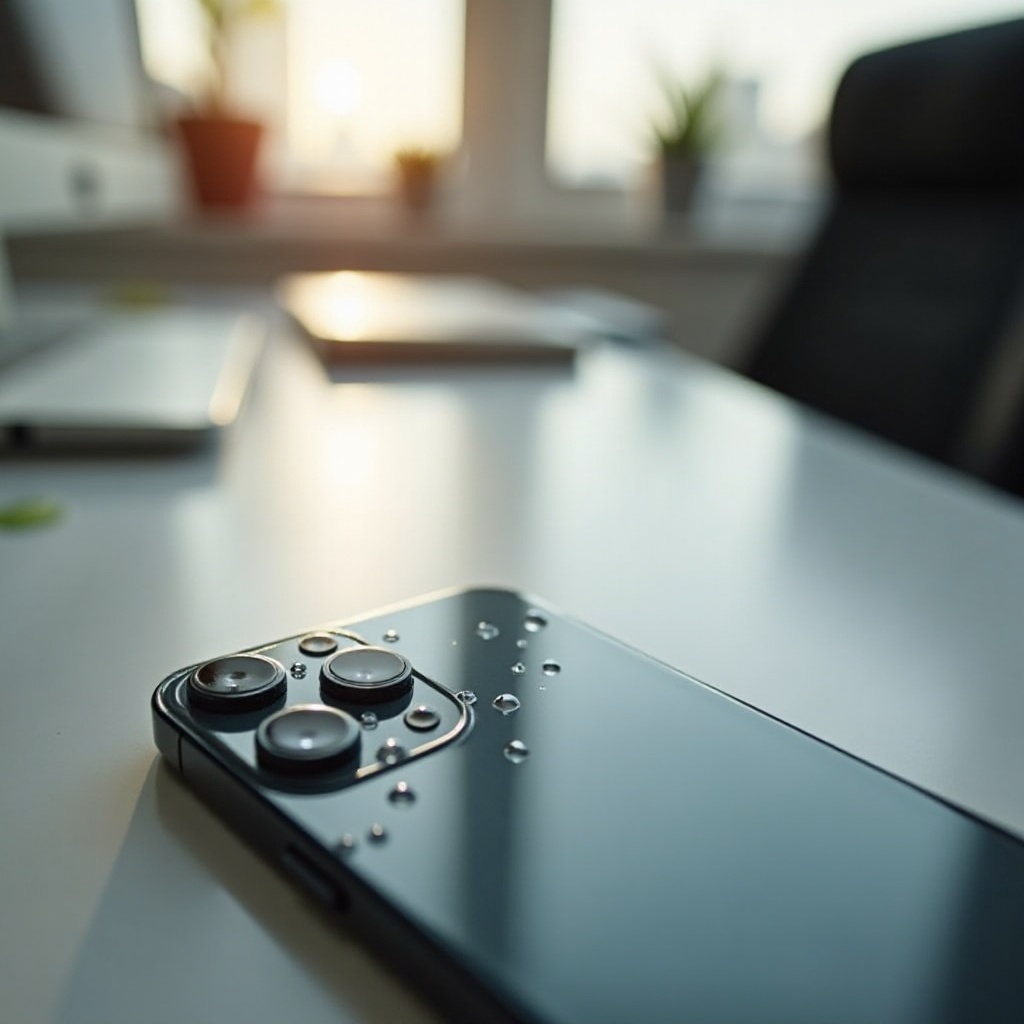
Water exposure can severely impair your camera’s performance and affect your phone’s functionality. Blurry photos, fogged lenses, and unresponsive buttons are common symptoms. Recognizing these early warning signs allows for immediate intervention, potentially saving your device from further harm. Knowing what you’re dealing with also prepares you for the next steps in moisture removal.
Immediate Steps to Take When Your iPhone Gets Wet
When your iPhone encounters water, prompt action is needed:
1. Shut down your device to prevent short-circuiting.
2. Remove any cases and protective covers to help the phone dry evenly.
3. Gently pat your device with a soft cloth to wipe off excess water.
4. Stand the device on its side to allow gravity to assist in draining internal moisture.
Taking these immediate steps buys you time to consider effective long-term solutions. However, they are just preliminary measures. For complete drying, further efforts are necessary to ensure all moisture is eradicated.
Home Remedies to Remove Water from the Camera
Several home remedies can help extract water from your iPhone’s camera and other components effectively:
– Silica Gel: Place silica gel packets, which are superb at moisture absorption, around your phone in a sealed container, and leave it there for 24 to 48 hours to fully absorb any moisture.
– Rice Method: Submerge your phone in a bag of uncooked rice for at least two days. Rice can help absorb moisture, although not as effectively as silica gel. Ensuring your phone is completely covered is crucial to this method’s success.
It is vital to avoid using external heat sources, like hairdryers, as these can worsen the damage by pushing moisture deeper into the device.
Advanced DIY Techniques for Moisture Removal
If basic strategies fall short, consider employing these advanced methods:
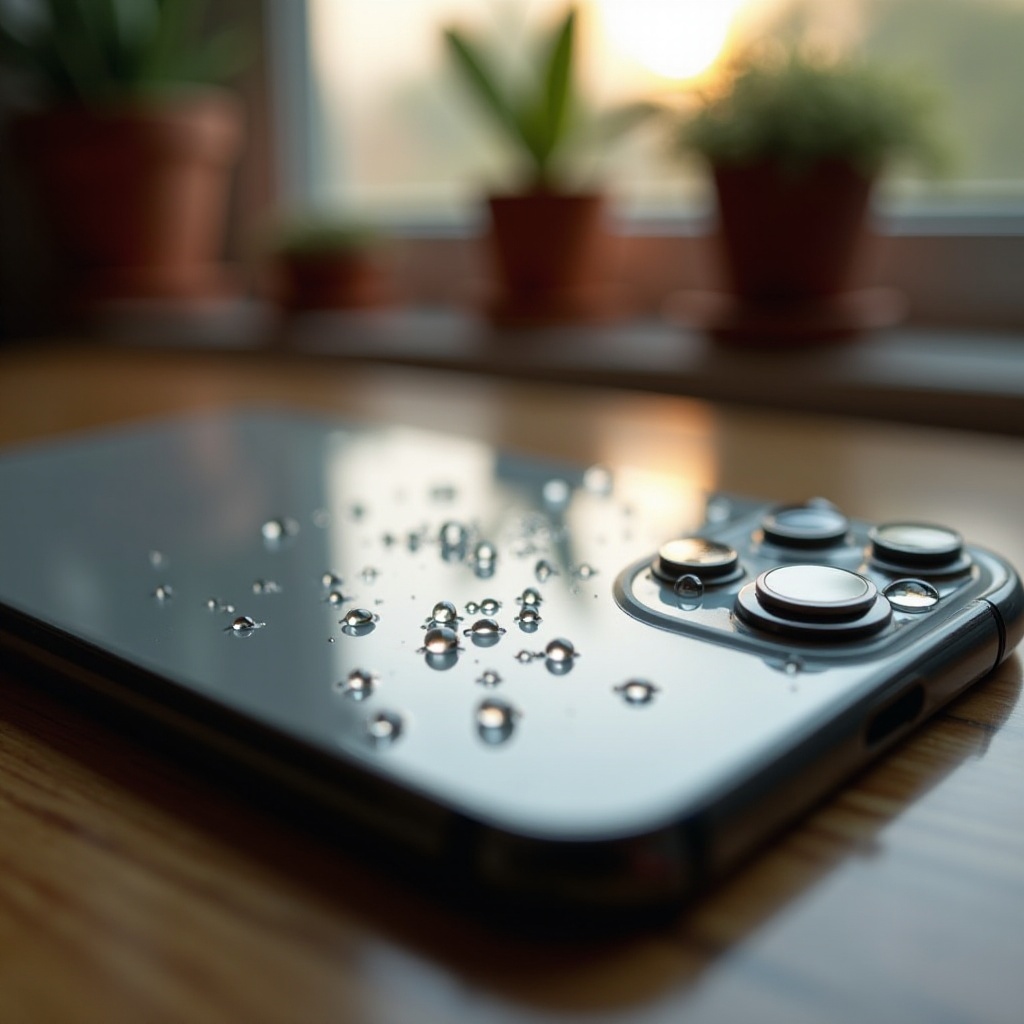
– Vacuum Method: Use a small, handheld vacuum cleaner to gently draw moisture out of the device’s cracks and crevices. Be cautious to maintain low suction to avoid further damage.
– Desiccant Packs: These packs surpass even silica gel in drying capacity. Place your phone with several packs inside a sealed bag for 24 to 48 hours.
Successfully using these advanced methods can better ensure moisture is wholly removed, safeguarding your device’s functionality. Yet, remember that sometimes professional aid is necessary.
When to Seek Professional Assistance
If, after following these methods, your device remains non-functional, it may be time for professional help. Certified Apple repair centers can assess and mend lingering water damage. Always check your warranty status; while Apple warranties typically don’t cover water damage, options may be available for repair or replacement.
Preventive Measures for Future Protection
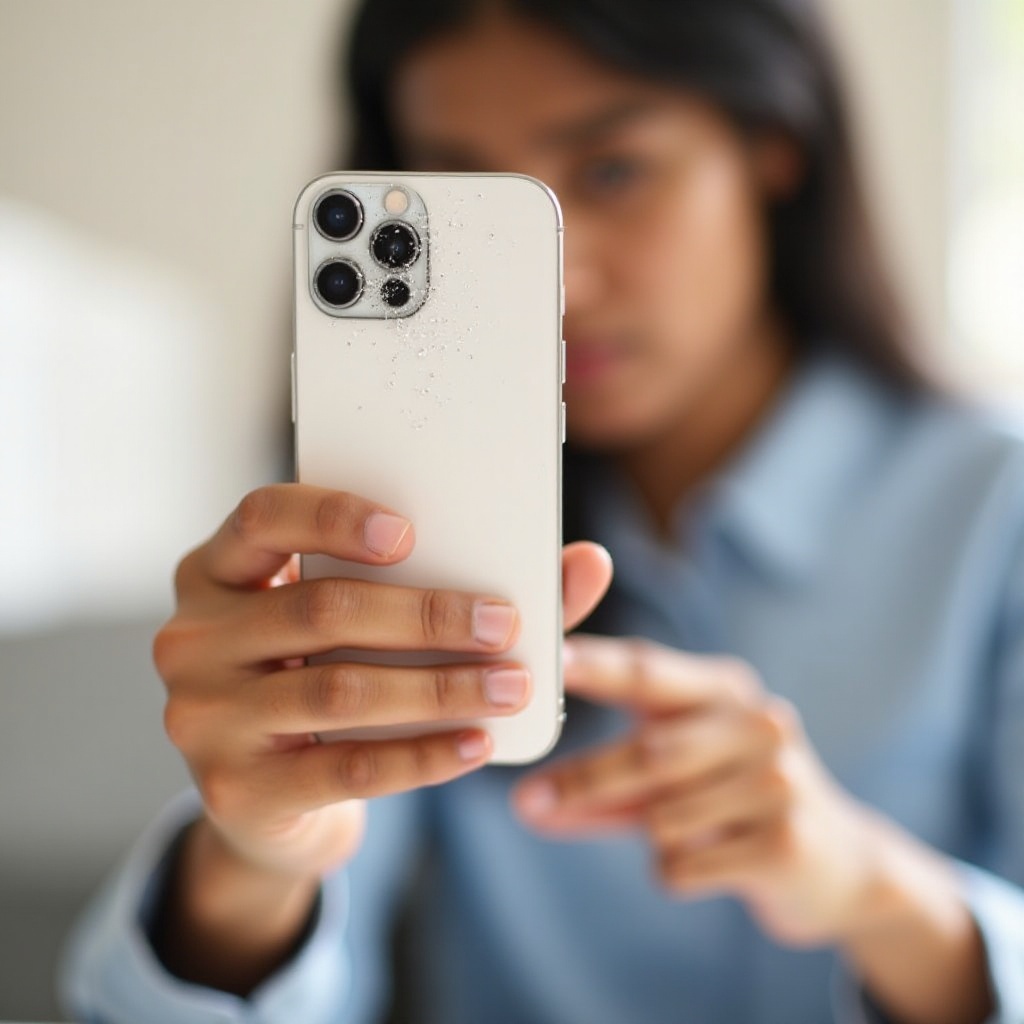
To proactively protect your iPhone from future water exposure:
– Use Waterproof Cases: A robust waterproof case can prevent water ingress during accidental exposure.
– Cautious Use: Avoid taking your phone near large bodies of water without protection.
– Routine Maintenance: Regularly checking for water resistance in accessories and ensuring device ports are clean can forestall potential issues.
Implementing these preventive measures can greatly reduce the risk of water damage and prolong your device’s lifespan.
Conclusion
A swift and correct response can save your iPhone from significant water damage. By understanding the impacts, employing both basic and advanced drying techniques, and adopting preventive measures, you promise a longer, healthier life for your device.
Frequently Asked Questions
What should I do immediately if my iPhone camera gets wet?
Immediately turn off the device, remove accessories, and dry it gently with a cloth.
Can water damage in an iPhone camera be fixed at home?
Yes, using silica gel or vacuum methods can often resolve the issue, but severe damage may require professional repair.
Does Apple warranty cover water damage on iPhones?
Usually, it does not cover water damage, though repair options may be available through authorized service providers.