27 Feb 2026
Post by Elijah
Introduction
Philips Hue bulbs have revolutionized home lighting with their smart technology, offering unmatched convenience and customization. As a staple in smart home ecosystems, these bulbs not only provide ambiance but also hold the promise of longevity. Understanding the lifespan of Philips Hue bulbs is crucial for users who want to optimize their smart home setup and maximize their investment. Let’s delve into how long these bulbs last and what impacts their longevity.
What Are Philips Hue Bulbs?
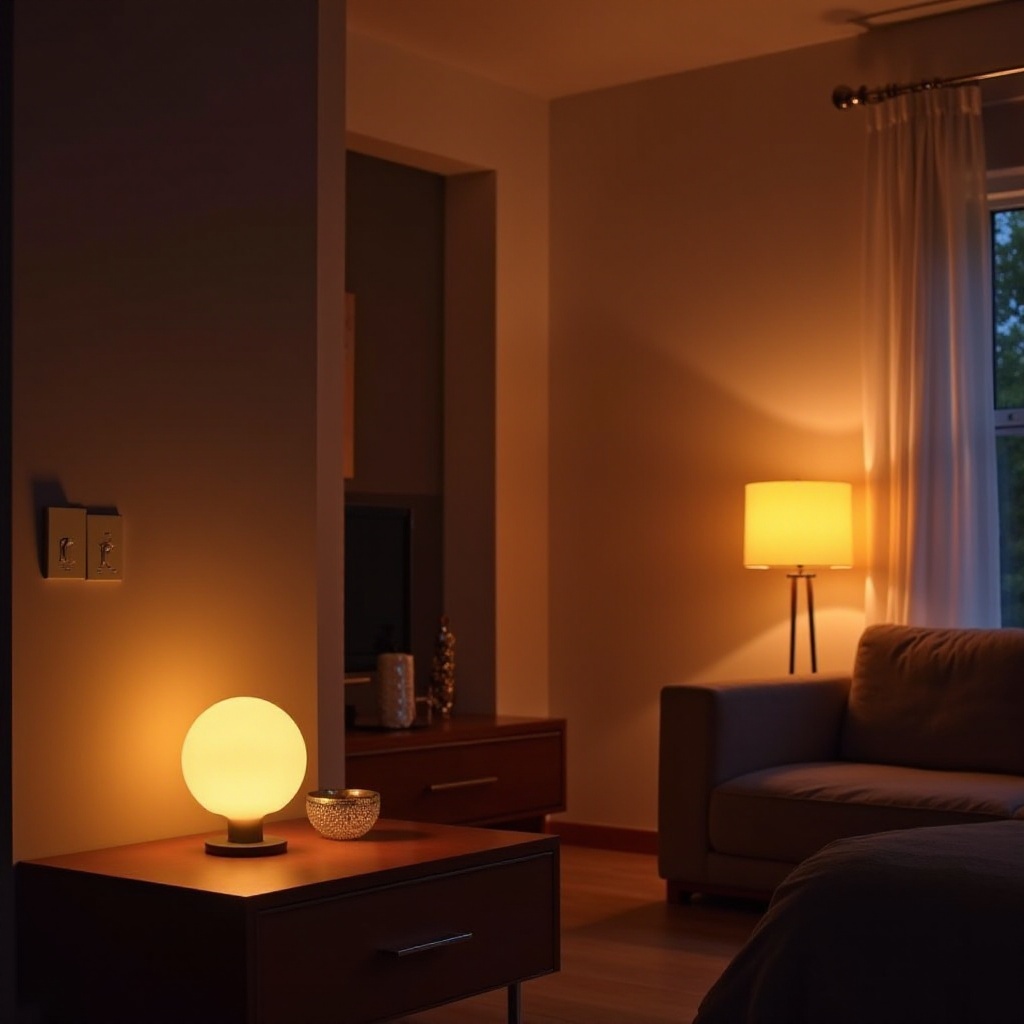
Philips Hue bulbs are a cutting-edge kind of LED smart bulb, offering users the ability to manipulate lighting in innovative ways. Through integration with smart home systems, users can control these bulbs using apps or voice commands. They are well-regarded for their versatility, including a vast spectrum of colors, dimming capabilities, and automation features like scheduling. Philips Hue bulbs are designed to adapt to modern lifestyles, supporting everything from energy-efficient settings to vibrant lighting schemes for special occasions.
How Long Do Philips Hue Bulbs Last?
Generally, Philips Hue bulbs are designed to last between 15,000 to 25,000 hours. This extensive lifespan translates to roughly ten years, assuming daily usage of approximately three hours. Unlike traditional incandescent bulbs, which may need frequent replacements, Philips Hue bulbs provide sustained performance over long periods. It’s crucial for users to recognize that while these numbers provide a useful estimate, actual lifespan can fluctuate based on usage patterns and environmental conditions.
Factors Affecting the Longevity of Philips Hue Bulbs
Several factors influence the lifespan of Philips Hue bulbs:
1. Usage Patterns: Frequent cycling, wherein the bulbs are turned on and off repeatedly, can reduce their lifespan. For optimal longevity, try to maintain consistent usage patterns.
2. Installation Environment: Extreme temperatures or high humidity levels can negatively affect these bulbs. They are intended for stable indoor environments to function optimally.
3. Technological Features: Philips Hue bulbs come equipped with smart features that manage energy use efficiently. Regular firmware updates can also play a role in maintaining their longevity by ensuring performance enhancements and bug fixes.
Understanding these elements allows users to tailor the conditions in which their bulbs operate, thus extending their useful life.
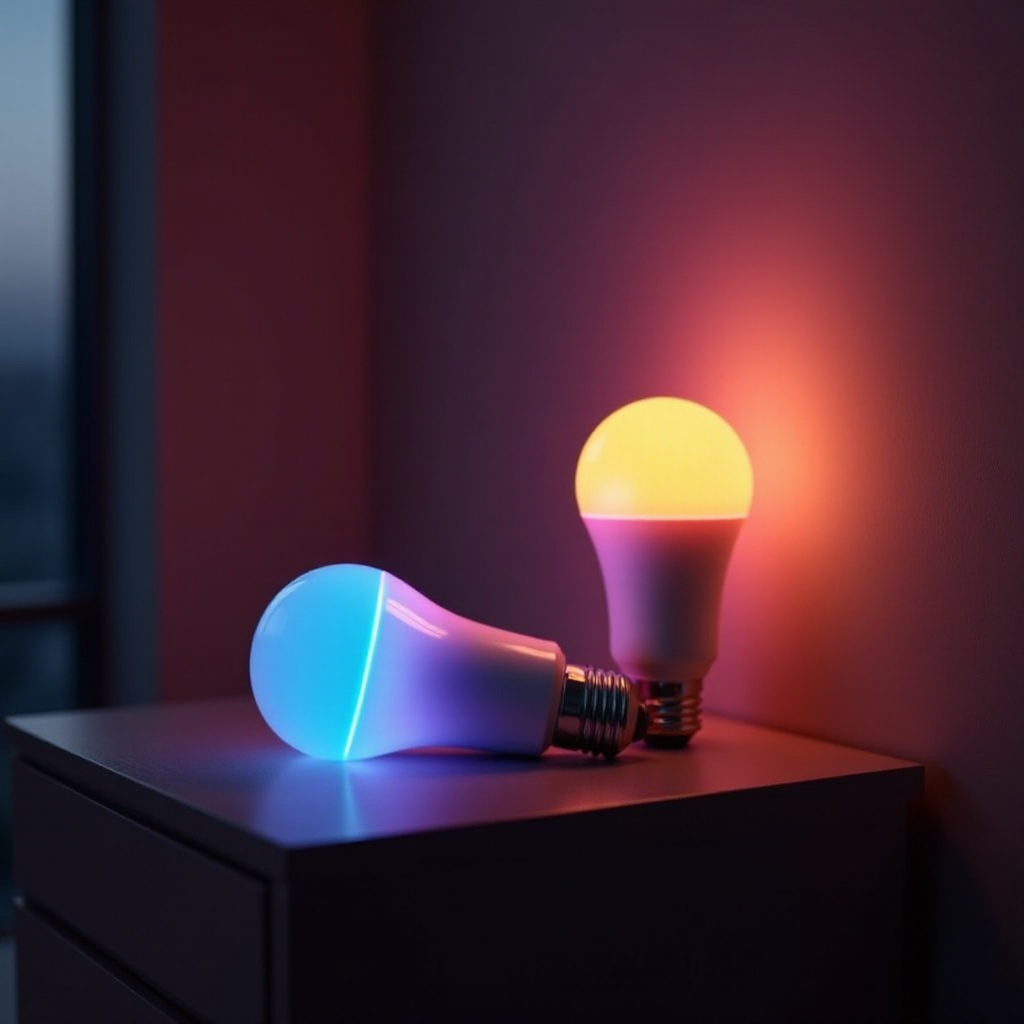
Tips to Maximize the Lifespan of Your Philips Hue Bulbs
To get the most out of Philips Hue bulbs, consider the following strategies:
– Proper Installation: Ensure bulbs are correctly fitted in appropriate fixtures to minimize mechanical stress.
– Regular Maintenance: Dust and clean bulbs gently to prevent thermal buildup and maintain optimal performance.
– Optimal Usage: Utilize the dimming function to reduce operational stress on the bulbs, adjusting light levels throughout the day according to the activity and natural light availability.
These practices not only help in extending the bulbs’ lifespan but also enhance their functionality within your smart home system.
Comparing Philips Hue Bulbs with Other Smart Bulbs
When compared to other smart bulbs, Philips Hue stands out due to several key attributes:
– Lifespan Comparison: Philips Hue bulbs generally boast a longer lifecycle, outperforming many rivals in longevity.
– Cost Efficiency: Although the initial investment might be higher, the long-term savings from reduced replacements and energy efficiency make Philips Hue an economical choice.
– Technological Advancements: Philips Hue offers seamless integration with various platforms such as Amazon Alexa, Google Assistant, and Apple HomeKit, giving them an edge in smart compatibility.
Opting for Philips Hue bulbs is a smart choice for those seeking durability combined with advanced technological features.
When to Consider Replacing Your Philips Hue Bulbs
Despite their durability, Philips Hue bulbs eventually need replacement. Look for signs such as persistent flickering, noticeable dimming, or unresponsiveness to controls, which might indicate that a bulb’s lifecycle is nearing its end. When these symptoms appear, it’s wise to replace the bulbs promptly to maintain the desired lighting quality and functionality in your space.
Conclusion
Philips Hue bulbs offer a robust and reliable lighting solution for smart homes, providing both extended lifespan and energy efficiency. With proper care and optimal usage, these bulbs stand as a valuable component of modern smart home ecosystems. Understanding the factors that affect their longevity and taking proactive measures can ensure that Philips Hue bulbs continue to illuminate your home efficiently for many years.
Frequently Asked Questions
How can I tell if my Philips Hue bulb needs to be replaced?
If your Philips Hue bulb is flickering, dimming noticeably, or is unresponsive to controls, it might be time to replace it.
Are Philips Hue bulbs more durable than traditional bulbs?
Yes, Philips Hue bulbs typically last significantly longer than traditional incandescent bulbs, often enduring up to ten times longer.
Do Philips Hue bulbs consume a lot of energy?
No, Philips Hue bulbs are crafted to be energy-efficient, consuming less power than conventional lighting solutions, leading to long-term savings.